Where the Water Goes: Roof Runoff and Your Concrete in Pompano Beach
This is a subtitle for your new post
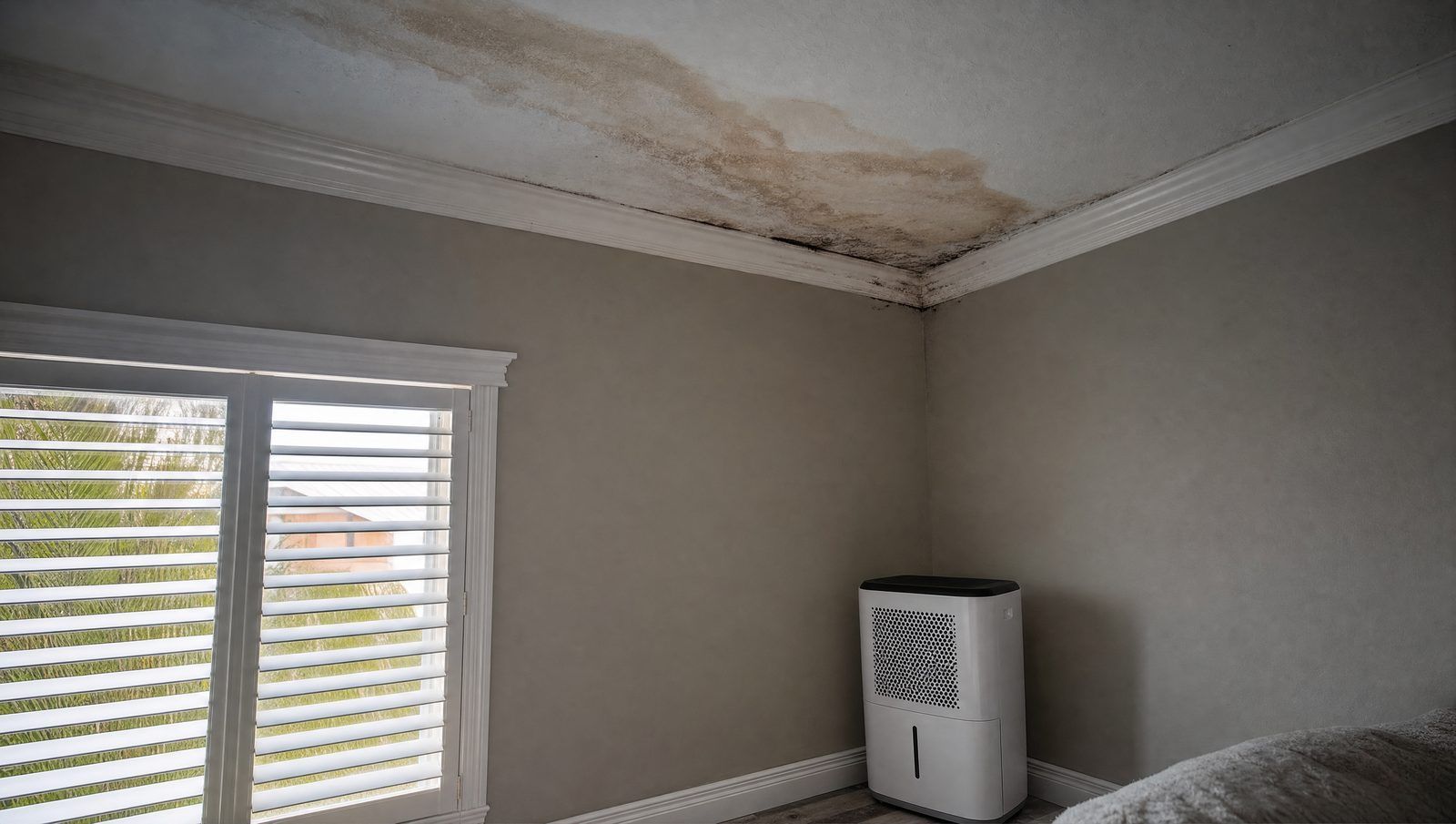
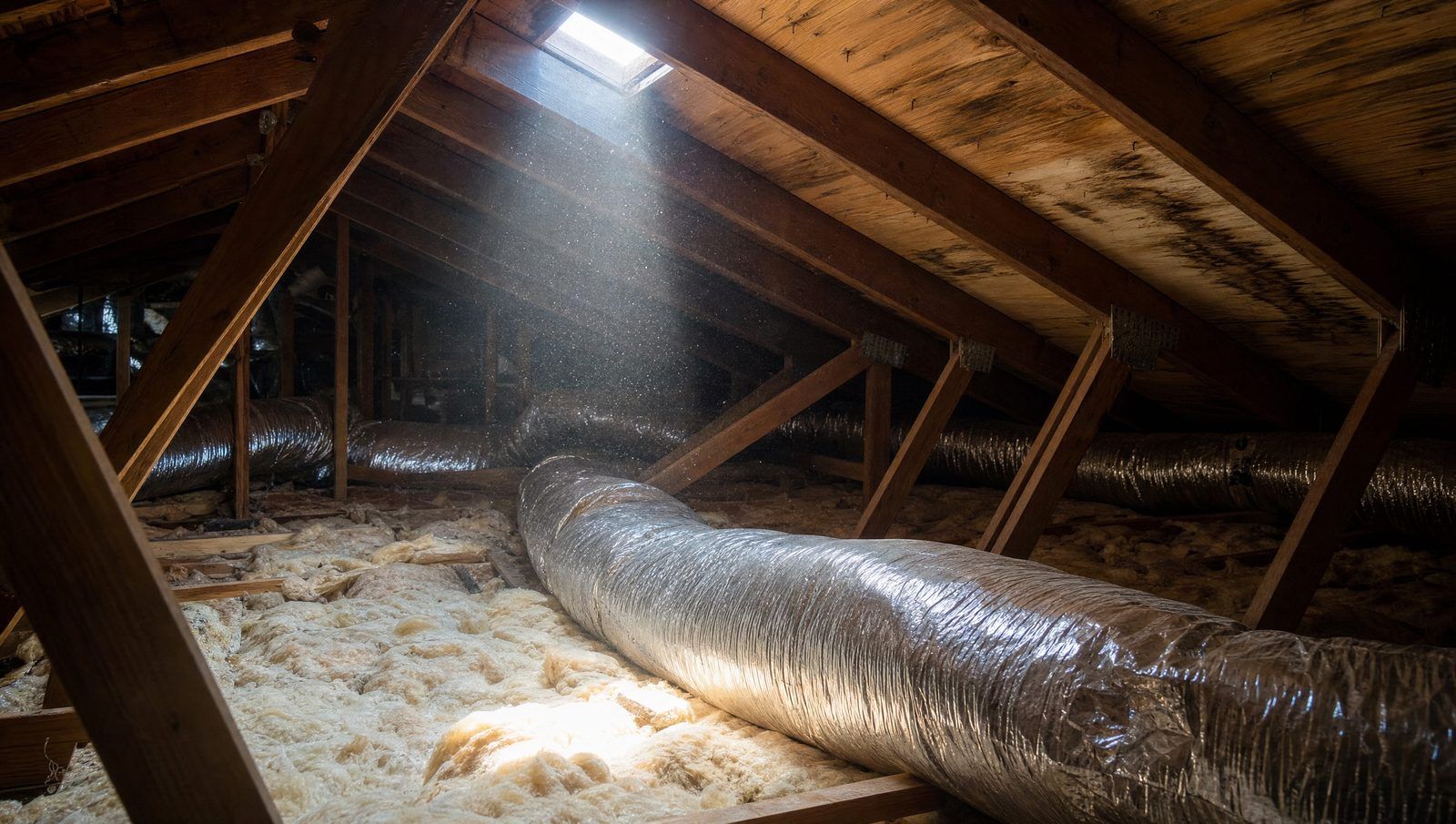
Ask a Pompano Beach homeowner what their roof does and you'll hear "keeps the rain out." True — but that's only half the job. The other half is moving water, and where all that water lands is usually a slab of concrete: your driveway, your walkway, your patio.
After a wet season like this one, it's worth looking down as well as up. The damage water does at ground level is slower than a roof leak, but it's just as expensive to ignore.
Your roof moves thousands of gallons — it has to land somewhere
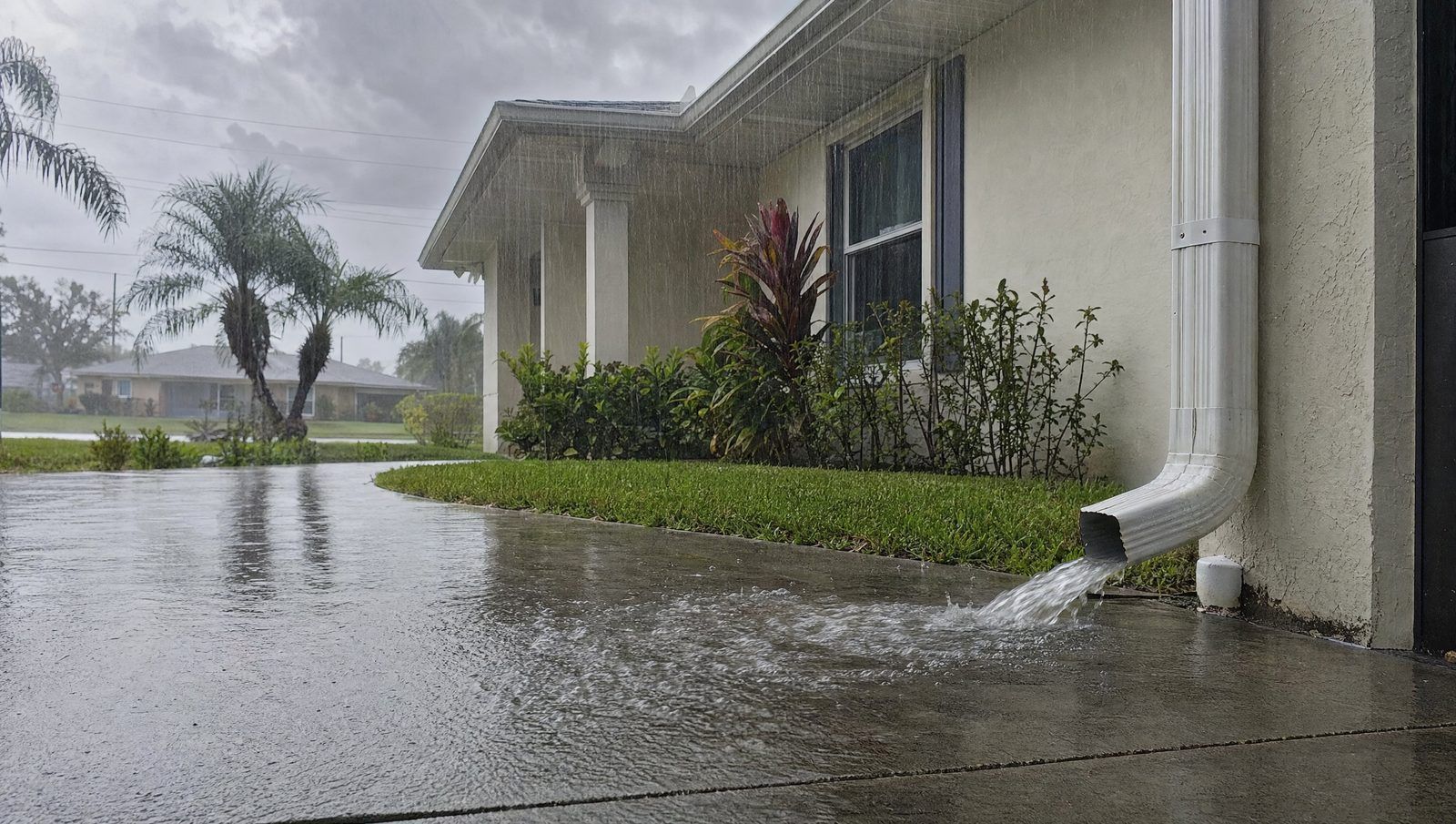
A single inch of rain on a 2,000-square-foot roof is more than 1,200 gallons of water. In a typical Pompano Beach summer, your roof sheds tens of thousands of gallons, and every drop exits through the same few downspouts.
If those downspouts dump straight onto concrete, you get the same effect as a pressure washer running on one spot a few hundred times a year. The surface wears, the joints wash out, and the ground underneath starts to move.
The signs your driveway and walkways are losing the fight
The early warnings are easy to miss. A corner of the driveway that holds a puddle longer than it used to. A walkway slab that sits a half-inch lower than its neighbor. A hairline crack that picks up a dark stain because water keeps finding it.
Later signs are harder to miss: slabs that rock when the car rolls over them, cracks wide enough to catch a sandal, or a patio pitching toward the house instead of away from it. That last one matters most, because now the water your roof shed is being delivered to your foundation.
Why concrete fails faster than it should
Concrete rarely fails from the top down. It fails from underneath, when the base it sits on erodes or settles. Here in Broward County the culprit is usually water moving sandy fill out from under the slab; the concrete above is fine, but it's bridging a void, and eventually it cracks under its own weight.
This is also why the fix is a judgment call, not a bag of patch mix. Regional experience counts for more than people expect — our crews fight washout and settling sand, while up north the same slab is destroyed by freeze-thaw instead; ask any of the concrete contractors in West Lafayette who spend every spring repairing what winter did. Different enemy, same lesson: a pro who can tell you what's happening under the slab will save you from paying for the wrong repair twice.
A settled slab can often be lifted and the void filled. A slab that's cracked through in several places over a washed-out base is a replacement. Patching the surface of either one just hides the problem while it grows.
Gutters, downspouts, and the first six feet
The cheapest concrete repair is the one you prevent with roof drainage. Downspouts should discharge at least four to six feet from any slab or foundation, onto splash blocks or into extensions that carry water to the lawn.
While you're at it, check that gutters actually slope toward the downspouts and aren't overflowing at the corners. An overflowing gutter drops a curtain of water along the slab edge — exactly where you don't want it.
A ten-minute walk-around after the next storm
The best diagnostic tool is a rainy day. While it's still coming down, walk the property and watch where the water goes: which downspouts are overwhelmed, where sheets of runoff cross the driveway, which puddles form against concrete and sit there.
Ten minutes with wet shoes tells you more than an hour of guessing in the sunshine. Fix the drainage first, then fix the concrete — in that order — and both repairs will last.