After the Leak: How Fast Mold Really Moves in a South Florida Home
What happens behind the drywall in the first week — and how to stay ahead of it
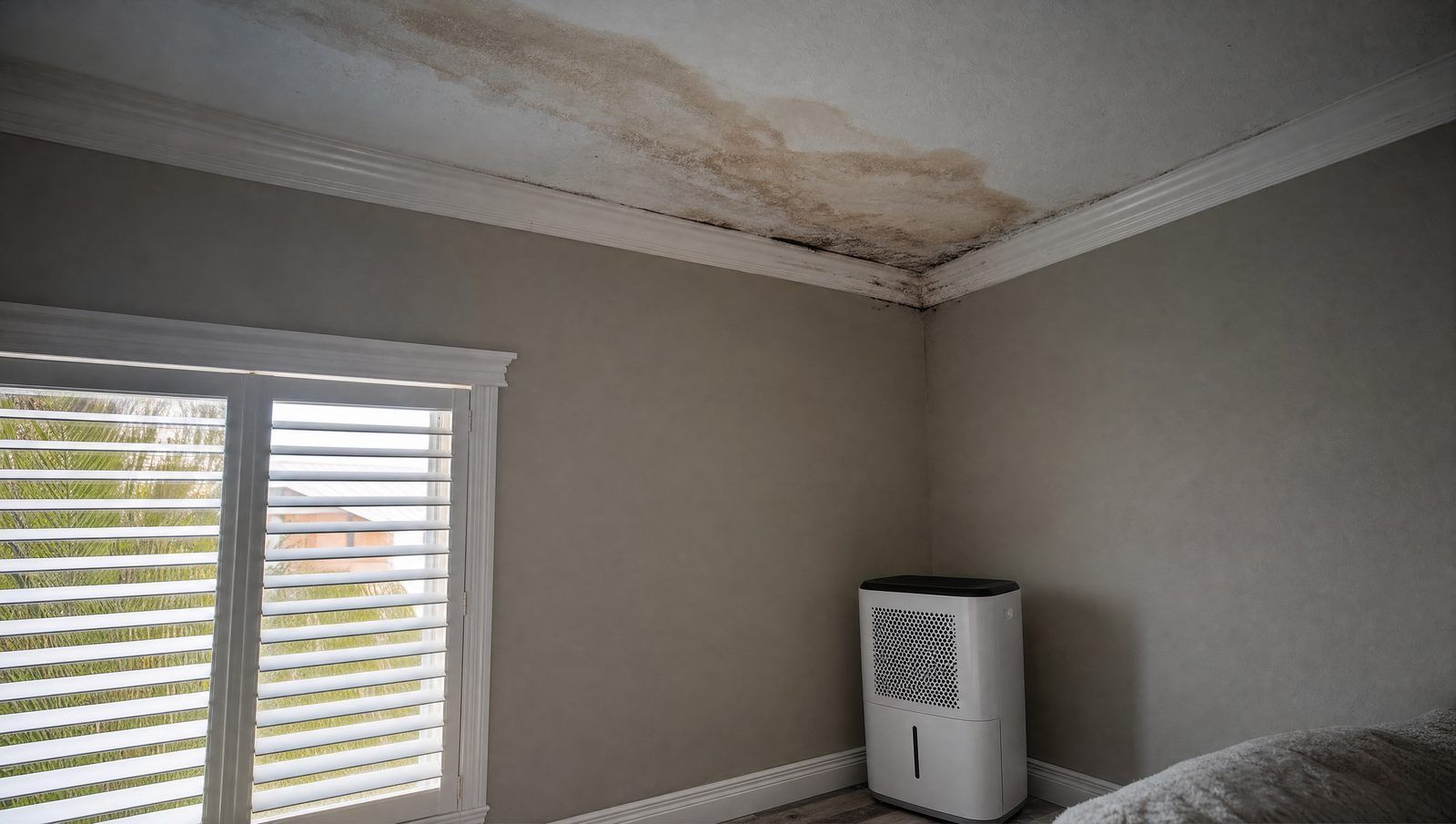
A roof leak in South Florida is really two problems. The first one is obvious — water coming in where it shouldn't. The second one starts quietly a day or two later, inside the drywall and insulation, and it's the one that ends up costing more: mold.
If you've just had a leak in Pompano Beach, the clock matters more than most homeowners realize. Here's what's happening behind the ceiling while you wait for estimates.
The 24-to-48-Hour Window
Mold spores are already in every house; they're harmless until they get moisture and something to eat. A wet ceiling gives them both. In our humidity, colonies can establish on damp drywall and wood framing within 24 to 48 hours of a leak.
That's faster than most insurance adjusters show up, and faster than most roofing repairs get scheduled. Which is why drying the interior can't wait for either one.
Where Mold Hides After a Roof Leak
The stain you can see on the ceiling is rarely the whole story. Water follows rafters and trusses sideways before it drips, so the wet zone is usually wider than the stain — and the backside of the drywall stays damp long after the painted side feels dry.
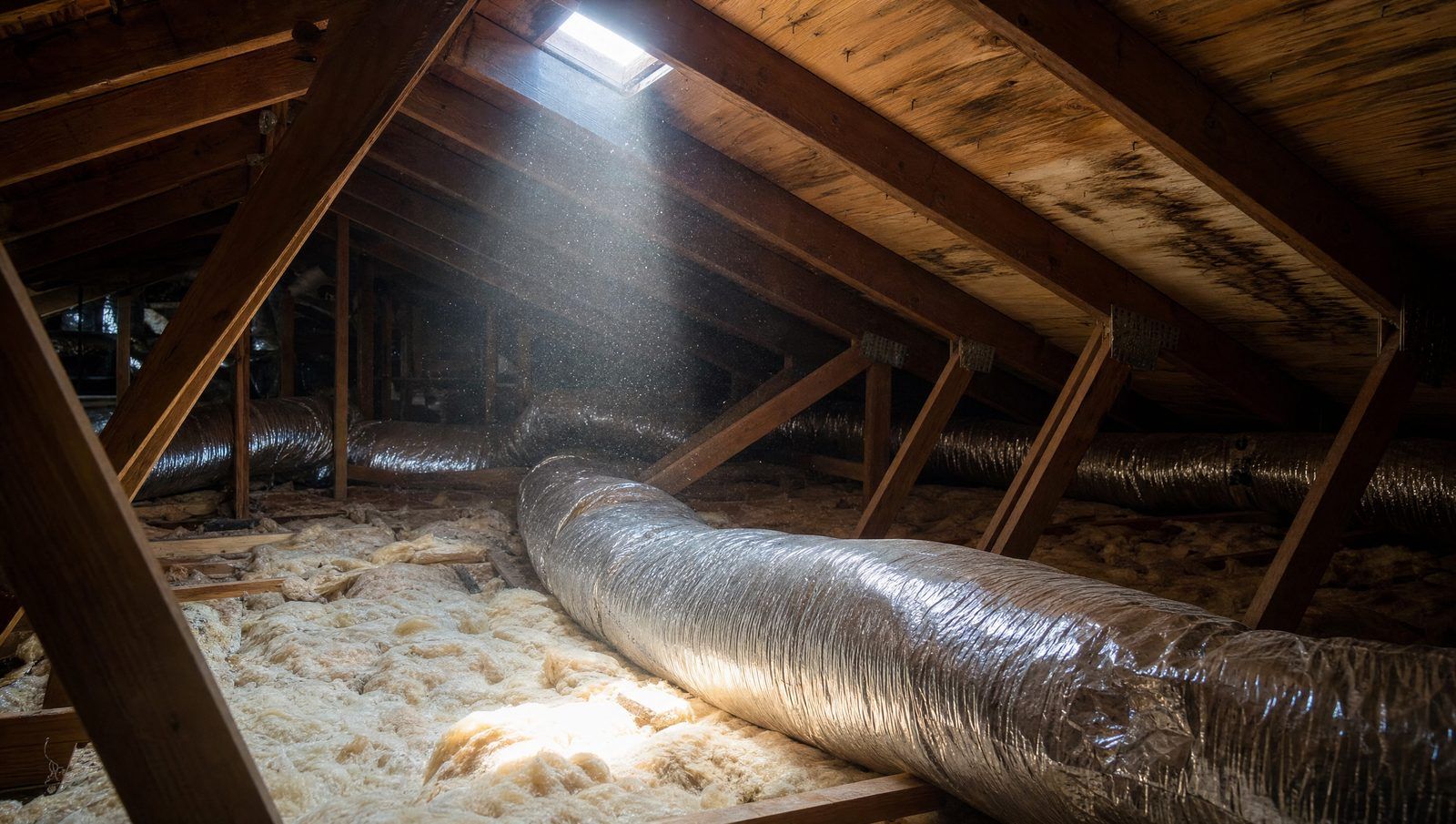
The usual hiding spots are the top plate of walls where the ceiling meets them, the insulation batts above the stain, and the air-conditioning ducts if the leak reached them. If the musty smell shows up when the AC kicks on, the ducts are telling you something.
Drying Isn't the Same as Done
Fans and a dehumidifier are the right first move, and for a small, fresh leak they may be enough. But once drywall has stayed wet past that 48-hour mark, or the stain keeps growing, or anyone in the house starts reacting to the air, surface drying stops being a fix — the growth is inside the materials, not on them.
That's the point where it's worth bringing in professional mold remediation services in Fort Lauderdale to test, contain, and remove what a fan can't reach. Remediation done properly also gives you documentation — lab results and a scope of work — that matters enormously if there's an insurance claim attached to the leak.
What to Document for Your Insurance Claim
Photograph everything before you touch it: the ceiling stain with something for scale, the attic above it if you can reach it safely, and any wet belongings. Note the date and time of the storm or the moment you found the leak.
Keep receipts for tarps, fans, and dehumidifiers — reasonable steps to prevent further damage are generally your responsibility and are usually reimbursable. And get the roof repair estimate and any mold findings in writing from separate companies, so nobody can argue the numbers were invented.
Fix the Roof First, Then the Air
The order of operations matters: stop the water, dry the structure, remediate the mold, then close the ceiling back up. Patching the drywall over a damp cavity just hides the problem until it comes back through the new paint.
A leak handled in the right order in the first week is a repair. The same leak handled in the wrong order becomes a renovation. In this climate, the week is the whole ballgame.